
Description
Book Summary
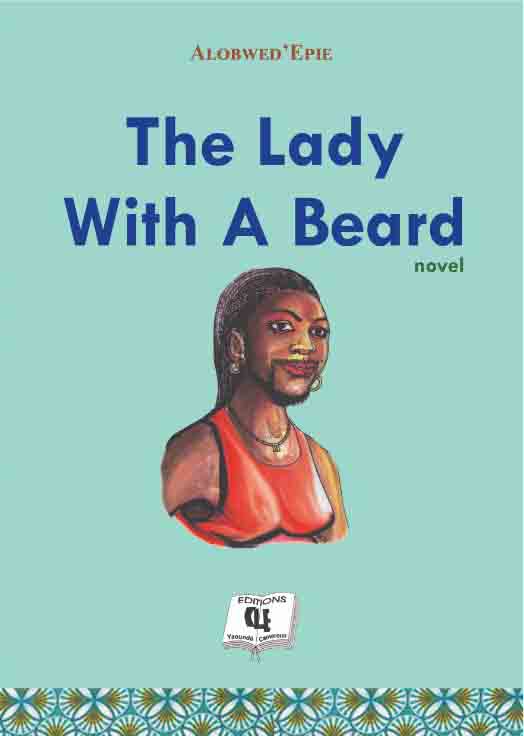
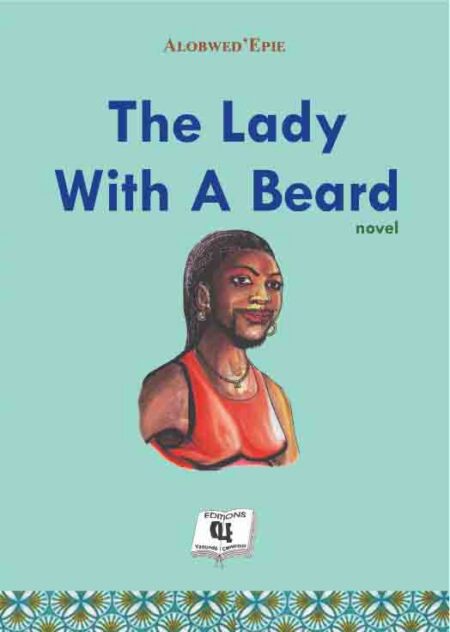
The Lady With A Beard tells the story of an extraordinary woman who challenges male chauvinism. First, Alobwed’Epie presents a strong female character rooted in Bakossi cultural heritage. Furthermore, the story uses captivating proverbial language and cultural rituals. Moreover, the author draws inspiration from renowned female leaders such as Indira Gandhi, Margaret Thatcher, and Benazir Bhutto. However, the story also questions society’s attempts to limit female autonomy.
Why Read This Book?
The Lady With A Beard offers a thoughtful exploration of gender, culture, and female autonomy. First, the story challenges traditional ideas about women and male authority. Furthermore, it highlights the influence of Bakossi cultural heritage and traditional rituals. In addition, the author uses humour, symbolism, and proverbial language to enrich the narrative. Therefore, the book encourages readers to reflect on gender roles, cultural identity, social expectations, and personal freedom.
Target Audience
The Lady With A Beard targets readers interested in African literature, culture, gender, and social issues. First, the book can interest students studying African literature and cultural studies. Furthermore, teachers and researchers can explore its themes of gender and social autonomy. In addition, readers interested in Cameroonian traditions can discover elements of Bakossi cultural heritage. Finally, literature enthusiasts can appreciate its creative language and distinctive storytelling.
Therefore, the book is suitable for:
- Students interested in African and Cameroonian literature.
- Teachers exploring gender and cultural themes.
- Students in Lower Sixth and Upper Sixth classes (English-speaking system).
- Researchers studying African literature and cultural identity.
- Literature enthusiasts interested in creative storytelling.
- Readers interested in women, culture, and social issues.
- Readers interested in Bakossi cultural heritage.
About the Author
Alobwed’Epie was born in Ngomboku, in the Kupe-Muanenguba Division of Cameroon. First, he studied at the Universities of Yaoundé and Leeds. Furthermore, he works as a poet, novelist, and literary critic. In addition, he wrote The Death Certificate. Today, he teaches Creative Writing and Sociolinguistics at the University of Yaoundé I. Therefore, his work combines literary creativity with academic expertise.



Avis
Il n’y a pas encore d’avis.